
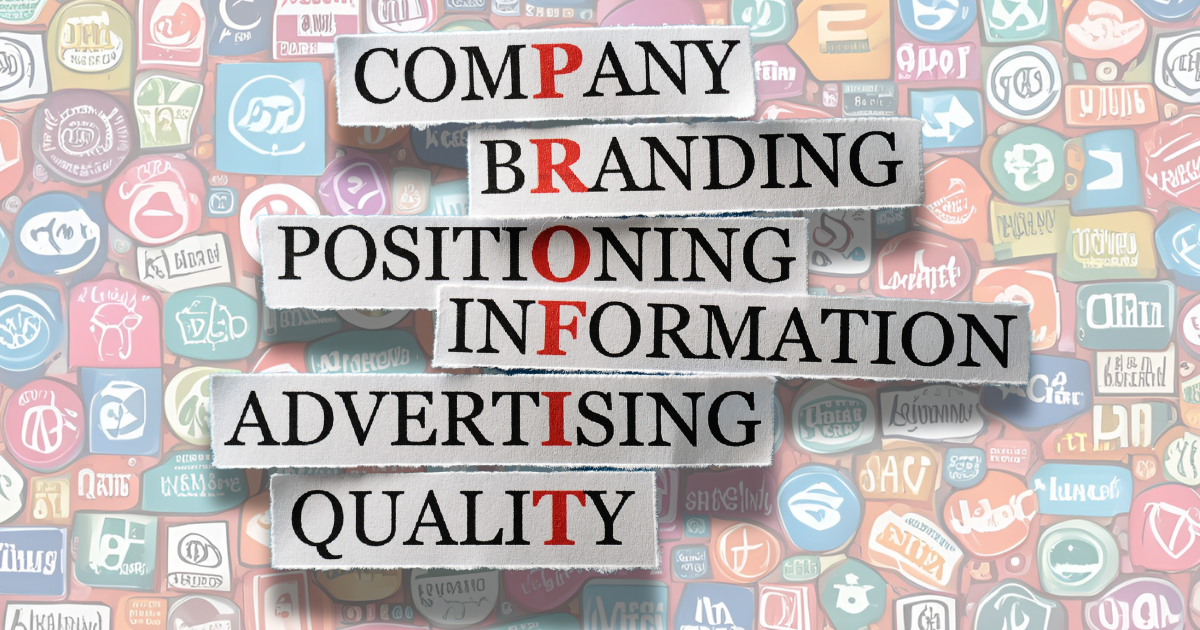
Businesses are bombarded daily with choices, making it crucial for your company to capture attention and foster trust. The key to accomplishing this is mastering two powerful strategies: branding and positioning. Though these terms are often misunderstood and used interchangeably, they each play a unique and essential role in shaping your company’s identity and market strategy. For B2B marketers aiming to forge strong connections and drive lasting impact, grasping the nuances between branding and positioning is critical.
Understanding the Difference Between Branding and Positioning
Two terms that often create confusion are branding and positioning. Though interconnected, these concepts serve distinct roles in shaping a company’s image and strategy. Understanding the difference between branding and positioning is crucial for developing a coherent and impactful marketing plan.
What is Branding?
Branding is an understanding of perceptions and human behavior. It is the process of creating and nurturing an uncommon identity for a product, service, or company in the customer’s mind. It encompasses all aspects, from the visual elements like logos, colors, and typography to the brand’s tone of voice, values, and overall personality. Essentially, branding is about making a memorable impression and telling your audience what they can expect from your products or services.
Key Components of Branding:
1. Brand Identity: This includes the visual and verbal components representative of the brand, such as the logo, tagline, color scheme, and design style. It’s the first thing consumers notice and remember.
2. Brand Promise: This is what the brand commits to delivering to its customers. It’s the assurance of quality, service, and value that the brand stands for.
3. Brand Values: These principles and beliefs guide the brand’s actions and decision-making. They connect with customers on a deeper level to nurture loyalty and trust.
4. Brand Voice: This is the unique way a brand communicates with its audience. It includes the tone, style, and language that become the standard in all marketing collateral, social media, and customer engagements. This includes all internal and external communications.
What is Positioning?
Positioning is the strategic process of establishing how a product or brand wants to be viewed in the market relative to its competitors. It involves identifying a target market and determining the best way to present the brand to appeal to that audience. Positioning is about carving out a distinct place in the consumer’s mind and differentiating the brand from its competitors.
Key Components of Positioning:
1. Target Market: This is the specific group of consumers the brand aims to serve. Understanding the target market’s needs, preferences, and behaviors is essential for effective positioning.
2. Competitive Analysis: This involves evaluating your competitors’ strengths and weaknesses and recognizing opportunities for differentiation. It helps find a unique selling proposition (USP) that differentiates the brand.
3. Value Proposition: This is the brand’s unique benefit to its target market. It explains why consumers should choose the brand over its competitors.
4. Positioning Statement: This is a concise description of the brand’s unique position in the market. It typically includes the target market, the brand’s promise, and the key differentiators.
The Interplay Between Branding and Positioning
While branding and positioning are distinct concepts, they are closely related and must work together for a brand to succeed. Branding lays the foundation by establishing the brand’s identity, values, and promise. Positioning builds on this foundation by strategically presenting the brand in a way that resonates with the target audience (or market) and distinguishes itself from the competition.
Consider Apple as an example. Apple’s branding focuses on innovation, quality, and a sleek, minimalist design. Its products, marketing materials, and customer interactions consistently reflect these elements. Apple’s positioning, however, is about being the go-to brand for premium, user-friendly technology products. By targeting consumers who value cutting-edge technology and are willing to pay a premium, Apple has successfully positioned itself as a leader in the tech industry.
A survey by the American Marketing Association noted that companies that invest in consistent branding across all platforms can see an increase in revenue of up to 23%. Additionally, a study by Nielsen revealed that 59% of customers prefer to buy new products from brands known to them.
A report by Lucidpress indicated that brands with consistent messaging are 3.5 times more likely to enjoy high brand visibility than those with inconsistent branding. Moreover, according to the Branding Strategy Insider, companies with a clear and consistent brand strategy are 20% more profitable than those without one.
Why the Difference Matters
Understanding the difference between branding and positioning is vital for marketers for several reasons:
1. Strategic Clarity: Knowing the difference helps create clear, coherent strategies for branding and positioning. This clarity ensures that all marketing efforts align and achieve the same goals.
2. Consistent Messaging: It helps maintain consistent messaging across all marketing channels. A strong brand identity and effective positioning ensure that consumers receive a unified message, reinforcing the brand’s image and value proposition.
3. Competitive Advantage: Differentiating the brand through strategic positioning can give a competitive edge. By identifying and communicating a unique value proposition, brands can attract and retain loyal customers.
4. Long-term Success: Successful brands understand that branding builds recognition and loyalty over time, while positioning drives immediate differentiation and market relevance. Balancing both aspects is critical to long-term success.
Branding and positioning are two fundamental concepts in marketing that, while distinct, are intricately linked. Branding creates a brand’s identity and promise, while positioning defines how that brand is perceived in the market. Together, they form a foundation of a successful marketing strategy, ensuring that a brand stands out and resonates deeply with its target audience. Understanding and leveraging the difference between branding and positioning can help marketers craft more effective campaigns, build stronger brands, and achieve greater market success.